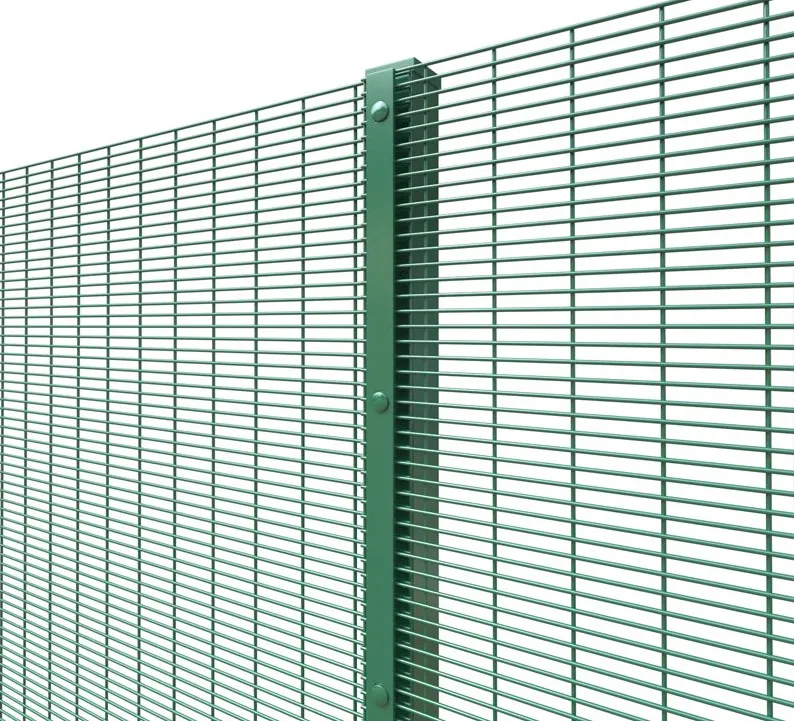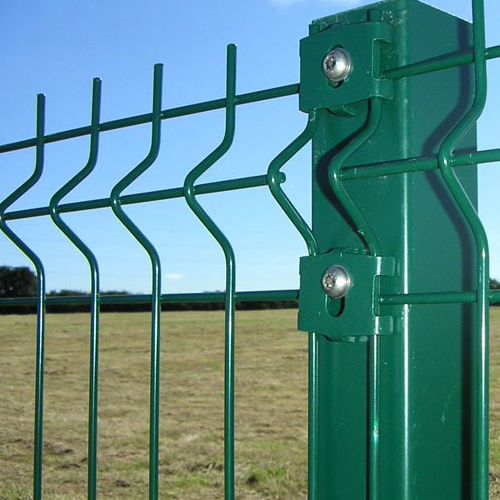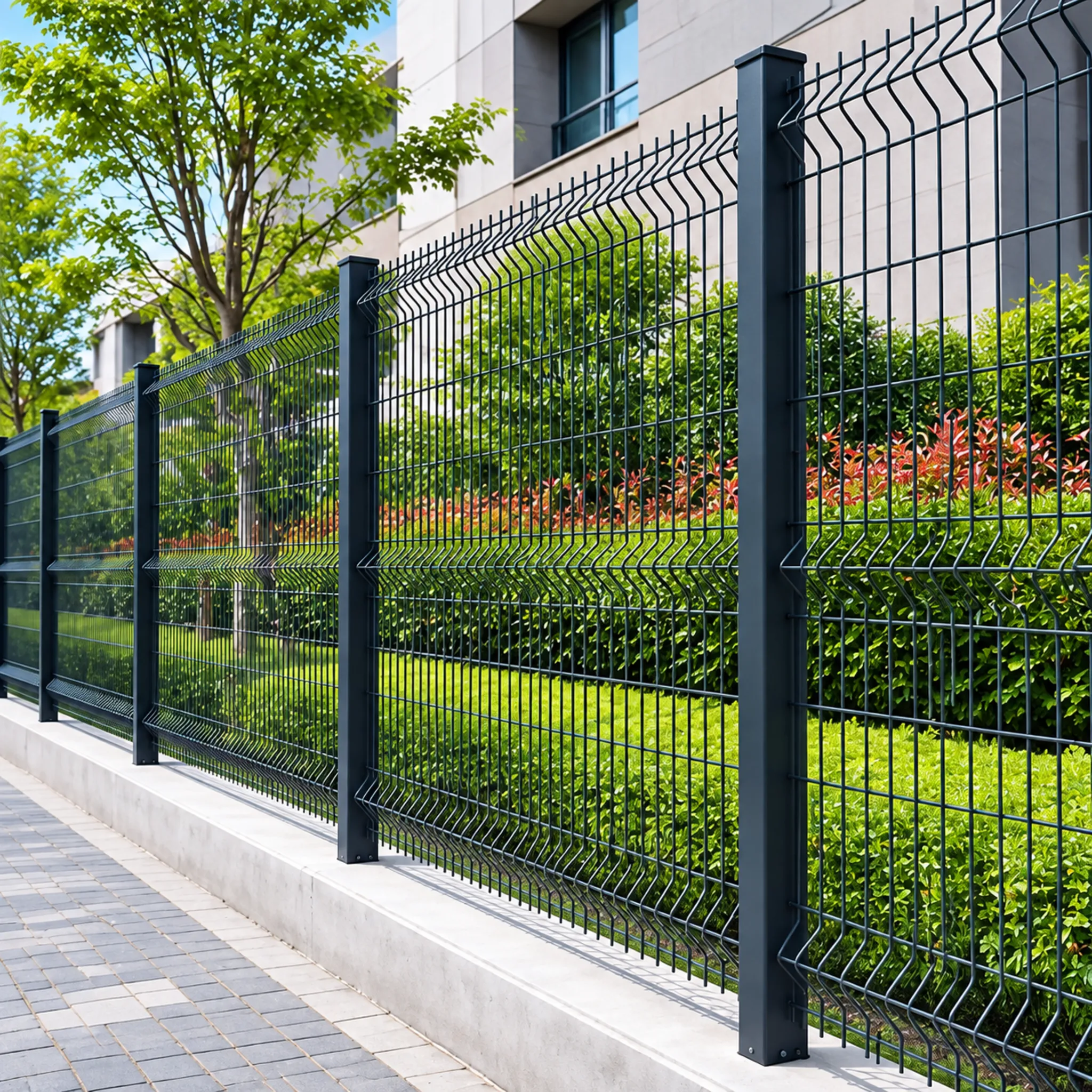
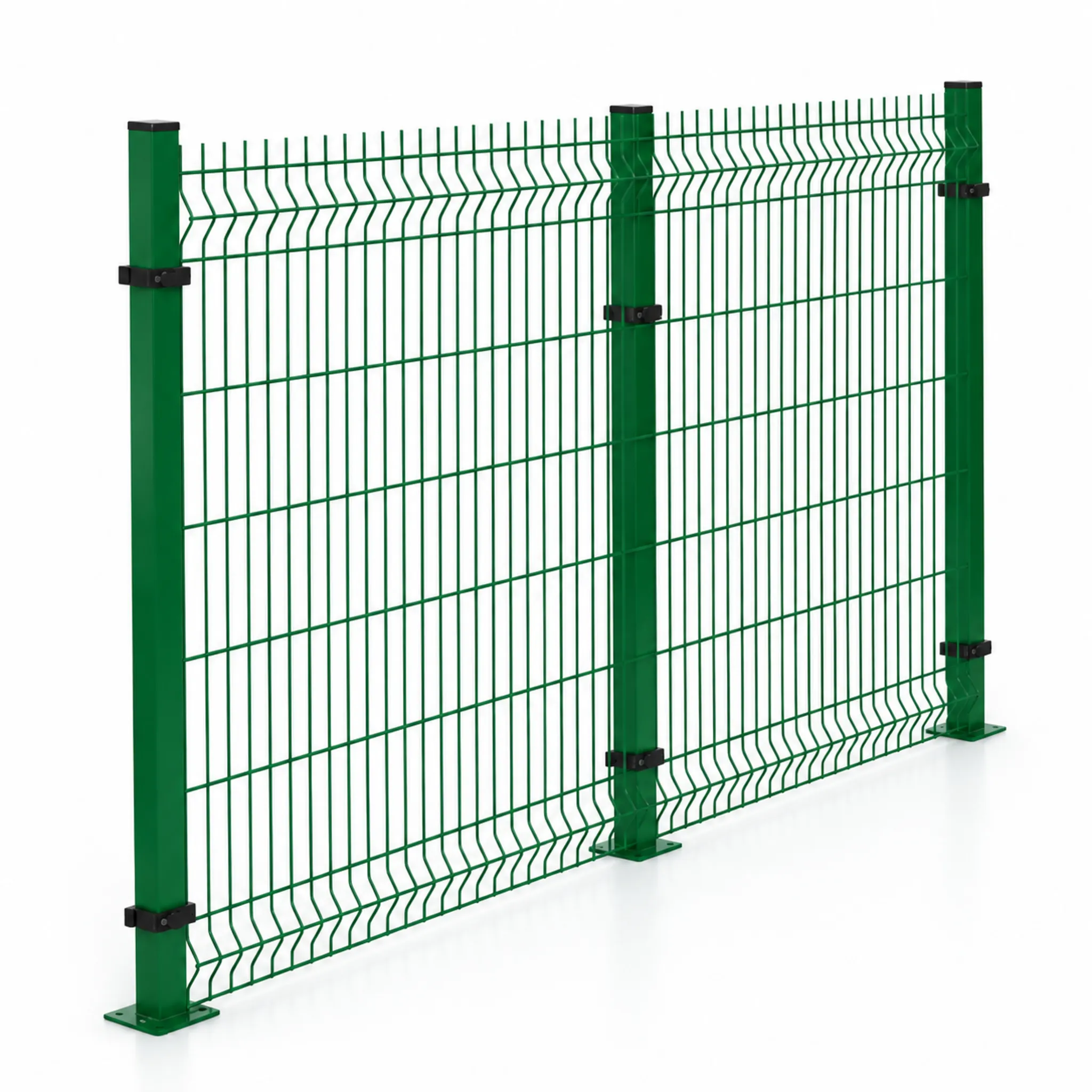
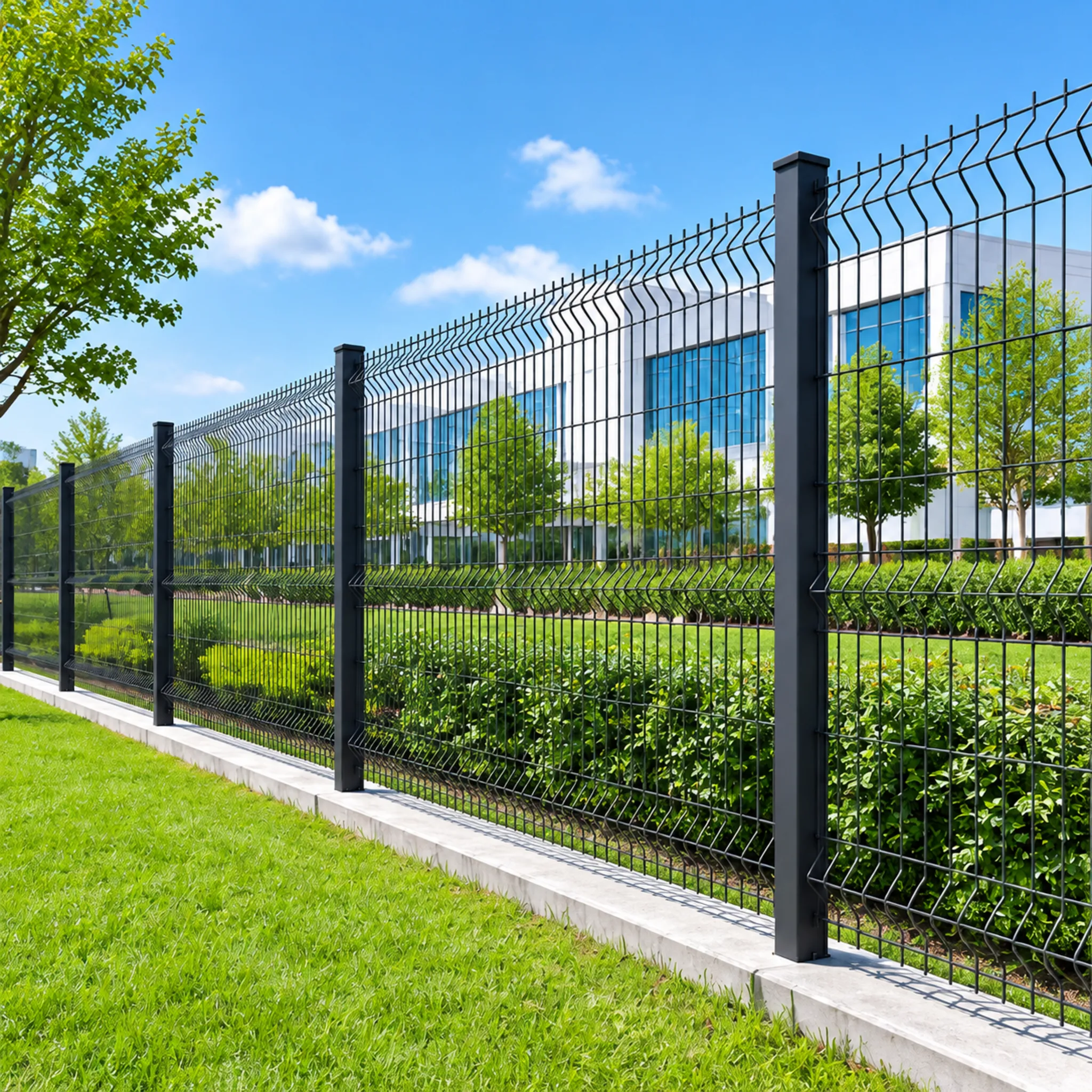
A 3D fence system starts with horizontal and vertical steel wires welded into a fixed grid. The finished panel is pressed at selected positions to create raised V-shaped ribs, adding depth to the mesh while preserving the open visibility expected from welded wire fencing.
The reinforced profile helps the panel retain alignment across a fence run and creates a clean architectural rhythm. Panel height determines the normal number of folds: lower panels use two, medium heights use three, and the tallest listed configurations use four reinforcement lines.
Product terminology varies by market. Buyers may refer to the panel as fence 3D, 3D-curved fence, 3D curved fence, or 3D bending fence. These phrases describe the formed reinforcement pattern, not a separate installation method.
A complete 3D fencing package can combine panels with peach, CM, square, or round posts, along with compatible clamps, caps, gates, base plates, and optional security toppings. Galvanized and coated finish choices allow the system to be adapted to residential developments, schools, public spaces, sports grounds, commercial property, warehouses, light industry, utilities, and animal enclosures.
The following selection range is based primarily on the supplied 3d fence Word document. Confirm every dimension, fold position, coating requirement, connection detail, and tolerance on the approved drawing before production.
| Specification Item | Available Configuration |
| Panel construction | Horizontal and vertical steel wires welded into a rigid mesh panel with pressed V-shaped reinforcement folds |
| Wire diameter | 4.0, 4.5, 5.0, or 5.5 mm |
| Mesh opening | 50 x 200, 55 x 200, 50 x 100, or 75 x 150 mm |
| Panel length | 2000, 2200, 2500, or 3000 mm |
| Panel height | 1030, 1230, 1530, 1830, 2030, 2230, or 2430 mm |
| Fold configuration | 2 folds: 1030/1230 mm; 3 folds: 1530/1830 mm; 4 folds: 2030/2230/2430 mm |
| Peach post | 50 x 70 x 1.2 mm or 70 x 100 x 1.2 mm |
| CM post | 50 x 65 x 1.2 mm or 65 x 95 x 1.2 mm |
| Square post | 50 x 50, 60 x 60, or 80 x 80 mm; 1.5 or 2.0 mm wall thickness |
| Round post | 48 or 60 mm outside diameter; 1.5 or 2.0 mm wall thickness |
| Surface treatment | Galvanized, galvanized plus electrostatic powder coating, or PVC-coated finish as specified |
| Color options | RAL 6005 green, RAL 9005 black, or an approved project color |
| System options | Matched posts, clamps, caps, gates, base plates, security toppings, private labels, and OEM/ODM packing |

Panels, posts, and hardware are prepared as separate but coordinated packing units. The loading arrangement is adjusted to the selected panel dimensions, post profiles, coating, order quantity, unloading equipment, and destination requirements.
What is a 3D fence?
It is a welded wire panel that has been pressed into raised V-shaped reinforcement ribs. The folds create a three-dimensional profile and help the panel maintain its form without turning the perimeter into a solid visual barrier.
Are a 3D-curved fence, a 3D curved fence, and a 3D bending fence the same?
They are commonly used names for the same general panel category. A technical comparison should still check the wire diameter, mesh, panel size, number of folds, post profile, coating, and connection system.
What do 3D curved fencing, 3D triangle fence, and 3D triangle bending fence mean?
These search terms refer to the triangular or V-like bends formed across the welded panel. The wording varies between suppliers and markets, so approved drawings should take priority over naming conventions.
How many reinforcement folds are used?
The supplied reference lists two folds for 1030 and 1230 mm panels, three for 1530 and 1830 mm panels, and four for 2030, 2230, and 2430 mm panels. Custom layouts require separate confirmation.
Which wire, mesh, and panel sizes are available?
Listed wire diameters are 4.0, 4.5, 5.0, and 5.5 mm. Mesh options include 50 x 200, 55 x 200, 50 x 100, and 75 x 150 mm, with panel lengths from 2000 to 3000 mm.
What is included in a complete 3D fencing order?
An order may include welded panels, selected posts, clamps or post-specific connectors, caps, gates, base plates, fasteners, and optional security components. The final bill of materials is confirmed before packing.