If you are planning a new fence, the first question is usually simple: how much does a chain link fence cost? The honest answer is that chain link fencing does not have one universal price. A small galvanized fence on level ground is a very different project from a tall commercial fence with heavy wire, privacy slats, multiple gates and difficult soil.
For a useful budget, separate the price into four parts: chain link fabric, posts and fittings, gates, and installation or delivery. In the United States, published 2026 cost guides show a wide installed range. Angi reports approximately $8-$40 per linear foot, Thumbtack reports a national average of about $20-$27 per linear foot for a 238-foot project, and Fence Advisors lists a Q3 2026 chain link range of about $17-$28 per linear foot. These figures are planning references, not a factory quotation, and they use different project assumptions. Always confirm the scope behind a price before comparing quotes.
Chain Link Fence Cost Per Linear Foot
Most American fencing contractors quote by linear foot. That means the price is based on the length of the fence line rather than the area inside the property. A 200-foot fence is priced from the total fence run, while gates are usually added as separate line items.
Material-only cost
Material-only pricing normally includes the mesh fabric and may include posts, top rail, tension wire and fittings. It normally excludes local labor, concrete, permits, demolition and final delivery. This is the most relevant price for importers, wholesalers and contractors who install the fence themselves.
Installed cost
Installed pricing may include excavation, post setting, concrete, mesh stretching, tie wires, cleanup and local labor. Some contractors include one standard gate; others quote every gate separately. Ask for an itemized estimate so that you know what is included.
Project total
Your final project budget may also include freight, old fence removal, land clearing, surveying, permits, privacy slats and special access equipment. A low per-foot number can become expensive if these items are excluded.
Average Cost by Fence Height
Height changes the amount of material, the post size, the concrete requirement and the installation time. A four-foot fence is often used for basic boundary or pet applications. Six feet is common for residential and general commercial fencing. Eight feet and above are more common for warehouses, sports facilities, utilities and security projects.
As a planning framework, compare each quote using the same height:
- 4-foot fence: residential boundaries, gardens and small pet areas.
- 5-foot fence: a compromise between visibility and containment.
- 6-foot fence: common for yards, commercial perimeters and general security.
- 8-foot fence: stronger visual separation and more commercial applications.
- 10- to 12-foot fence: specialized security, sports or industrial projects.
The height should be stated in both the quotation and the purchase order. A quote for six feet cannot be compared fairly with one for eight feet, even when the linear footage is identical.
Galvanized vs. PVC-Coated Chain Link Fence Cost
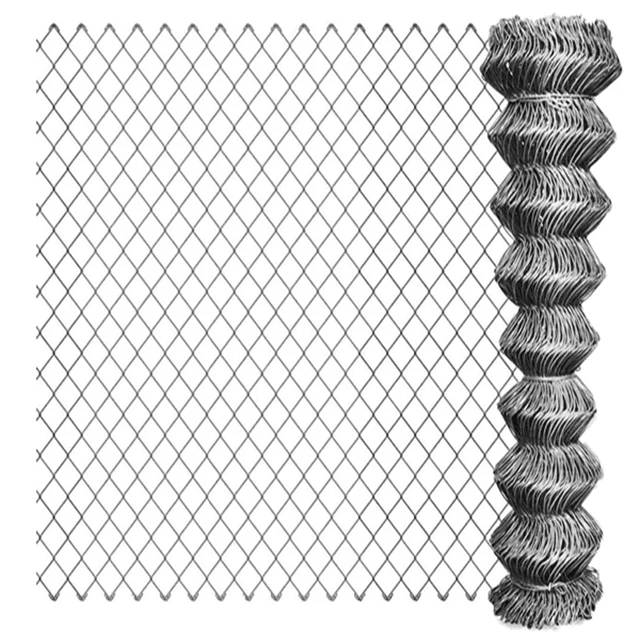
Galvanized chain link fence has a silver-gray appearance and is widely used for utility, residential, agricultural and commercial projects. PVC-coated chain link fence adds a polymer coating over the steel wire. Black and green are common choices, while other colors can be produced for projects with specific design requirements.
PVC coating can increase the purchase price because it adds coating material, color control and an additional production step. It can also improve the appearance of a fence and may be preferred for residential, landscape, school and recreation projects. The right comparison is not only the initial price. Consider the application, expected exposure, appearance requirements, replacement cost and maintenance expectations.
Our product range includes galvanized chain link fence with wire diameters from approximately 1.8 mm to 3.8 mm, as well as PVC-coated options from approximately 2.0 mm to 3.5 mm. A common mesh opening is 50 mm x 50 mm, and available heights can range from 2 feet to 12 feet. Exact specifications should be confirmed for every project.
What Is Included in a Chain Link Fence System?
The mesh roll is only one part of a complete fence. A reliable quote should identify the following components:
- Chain link fabric.
- Line posts between terminal points.
- Terminal, end and corner posts.
- Top rail or another specified framework.
- Tension bars and tension bands.
- Post caps, rail ends and clamps.
- Tie wires or other attachment hardware.
- Walk gates, drive gates or custom access gates.
- Concrete for post footings.
- Packing, freight and installation, when applicable.
For a commercial project, missing fittings can create delays even when the mesh itself is competitively priced. Ask the supplier to quote a complete bill of materials rather than only a price for rolls of fabric.
The Main Factors That Change Chain Link Fence Cost
1. Fence height
Taller fencing uses more wire and usually requires stronger or longer posts. It can also require additional bracing in windy locations.
2. Wire diameter or gauge
Thicker wire costs more but provides greater stiffness and resistance to impact and cutting. Do not compare a light residential specification with a heavy commercial specification only by the color or mesh opening.
3. Mesh opening
Smaller openings use more wire per square foot and can provide improved containment or security. State the opening in inches or millimeters so the supplier and buyer are using the same standard.
4. Surface treatment
Galvanized, PVC-coated and color-coated products have different production and inspection requirements. For a coastal or humid environment, ask about the coating specification and inspection method.
5. Fence length
Longer projects can reduce the average cost per linear foot because setup, loading and fixed labor are spread over more footage. Very small jobs may have a minimum charge.
6. Gates and hardware
A walk gate is usually less expensive than a wide double gate or a rolling access gate. Gate frames, hinges, latches and posts should be listed separately.
7. Terrain and access
Rock, slopes, tree roots, concrete, poor access and difficult soil can increase installation time. Removing an old fence or clearing vegetation can also change the budget.
8. Local requirements
Permits, property-line surveys, utility checks and local building rules vary by city and state. Confirm these requirements before placing an order.
Example Budgets for 100, 200 and 500 Linear Feet
The examples below are useful for comparing scopes, not for promising a fixed market price.
100 linear feet
A 100-foot residential fence might include a four- or six-foot galvanized mesh, standard posts, one walk gate and level ground. The main cost drivers are the gate, the local minimum installation charge and the amount of concrete required.
200 linear feet
A 200-foot perimeter is large enough for material and labor to be quoted more efficiently. For a six-foot commercial specification, ask whether the quote includes top rail, terminal posts, tension wire, fittings and one or more gates.
500 linear feet
A 500-foot project should be quoted from a full takeoff. The buyer may need several mesh rolls, a planned post count, multiple terminal points, access gates and a delivery schedule. For an imported order, container utilization and pallet design become important cost factors.
How to Compare Two Chain Link Fence Quotes
Before choosing a supplier or contractor, check these points:
- Is the wire diameter stated in millimeters or gauge?
- Is the mesh opening clearly defined?
- Is the finish galvanized or PVC-coated?
- Is the coating weight or coating method identified?
- Are posts, rails and fittings included?
- Are gates included, and what are their dimensions?
- Does the price include delivery to the job site?
- Does the price include installation and concrete?
- What is the production lead time?
- What inspection documents or certificates are available?
The lowest number is not always the lowest project cost. A complete quote with the correct wire diameter, accessories and packing can prevent expensive changes later.
Frequently Asked Questions
How much does a six-foot chain link fence cost?
It depends on length, wire diameter, coating, gates, terrain and labor. Request a quote using the same dimensions and inclusions for a meaningful comparison.
Is chain link fence cheaper than wood or vinyl?
It is often selected when a buyer wants functional containment and security with controlled material cost. The final comparison depends on installation, privacy requirements, maintenance and local labor.
Does chain link fence price include installation?
Not always. Material-only, FOB, delivered and installed prices are different quote types. Ask the seller to label the trade term and included services.
What is the best coating for a chain link fence?
Galvanized and PVC-coated products can both be suitable. The choice depends on the environment, appearance, budget and project specification.
Request a Project-Based Quote
Hebei Orange International Co., Ltd. was established in 1998 and supplies chain link fence, fence posts, gates and accessories to overseas buyers. We support OEM and ODM orders, samples, pallet packing and project-based specifications. Our chain link fence options include galvanized and PVC-coated finishes, common 50 mm x 50 mm mesh and heights from 2 feet to 12 feet.
To receive an accurate quotation, send your fence height, total length, mesh opening, wire diameter, coating, color, gate quantity, destination ZIP code and required delivery date. Our export team can then prepare a complete material list instead of quoting only the mesh roll.